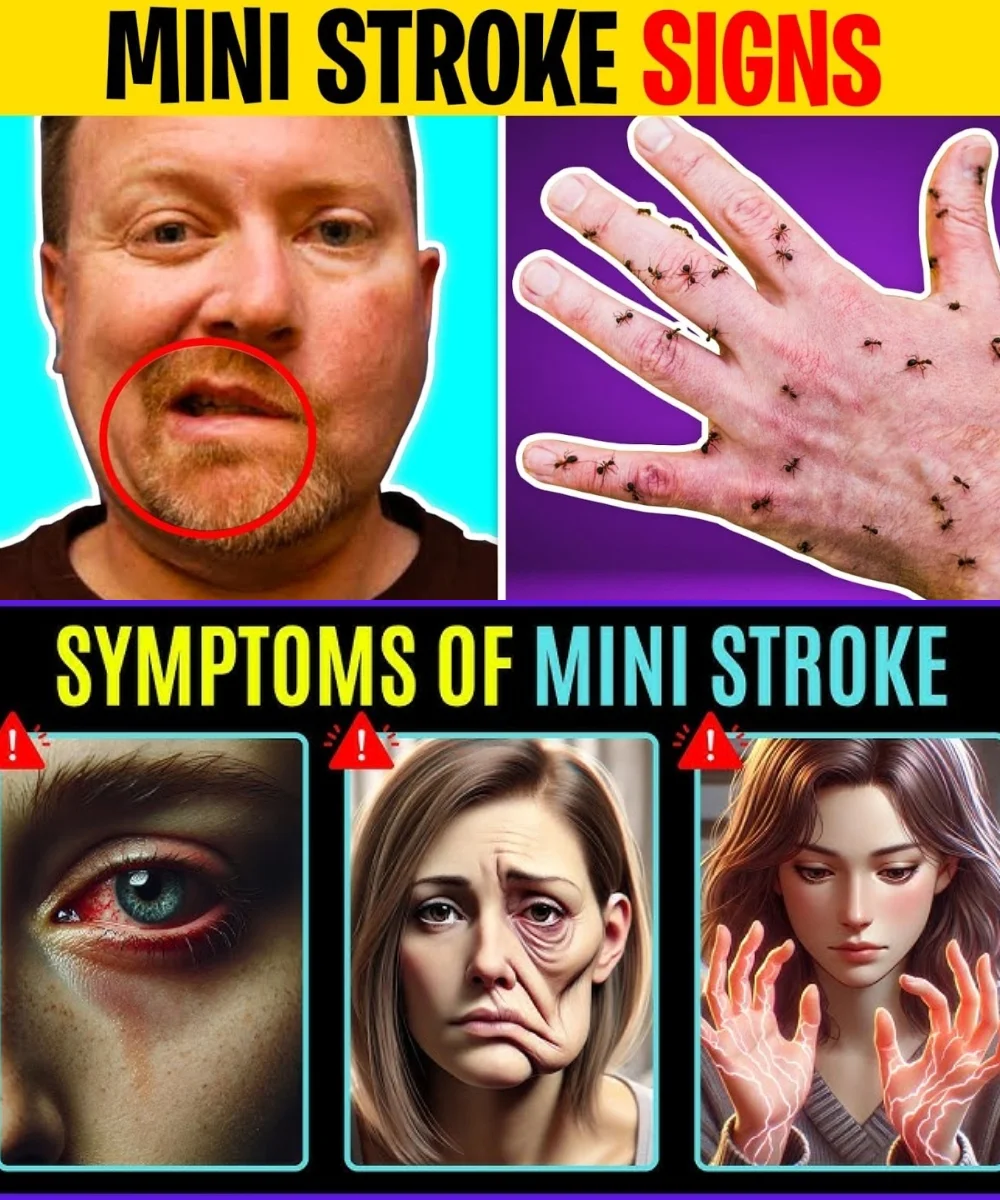
A mini stroke, also known as a Transient Ischemic Attack (TIA), is a temporary blockage of blood flow to the brain. Unlike a full stroke, the symptoms of a TIA usually resolve within minutes to hours and cause no permanent brain damage. But don’t ignore it—a mini stroke is often a warning sign of a major stroke in the near future, especially in older adults.
Recognizing the symptoms early could save a life. Here are 9 signs of mini strokes in the elderly you should never ignore:
1. Sudden Weakness or Numbness on One Side of the Body
A classic TIA symptom is a sudden loss of strength or feeling on one side of the face, arm, or leg. Elderly individuals may feel like a limb has “fallen asleep” or become hard to control. This could last for a few minutes but should always be taken seriously.
2. Slurred or Garbled Speech
If an older person starts speaking unclearly or struggles to find words, it could be more than just confusion or fatigue. Slurred speech, even if temporary, may point to a disruption in the brain’s language center due to a TIA.
3. Sudden Vision Changes
Mini strokes can affect vision in one or both eyes. This includes blurry vision, double vision, or even temporary blindness. Vision may return to normal, but any abrupt change should be evaluated by a doctor immediately.
4. Loss of Balance or Coordination
A TIA may cause dizziness, stumbling, or difficulty walking. Some seniors may describe feeling “off balance” or unable to maintain coordination. This can often be mistaken for aging or inner ear issues but should be investigated as a potential warning sign.
5. Confusion or Difficulty Understanding
Mini strokes can make it hard to comprehend language or follow a conversation. If a normally sharp elderly person suddenly seems confused, unable to follow instructions, or forgets simple tasks, it could be neurological—caused by a TIA.
