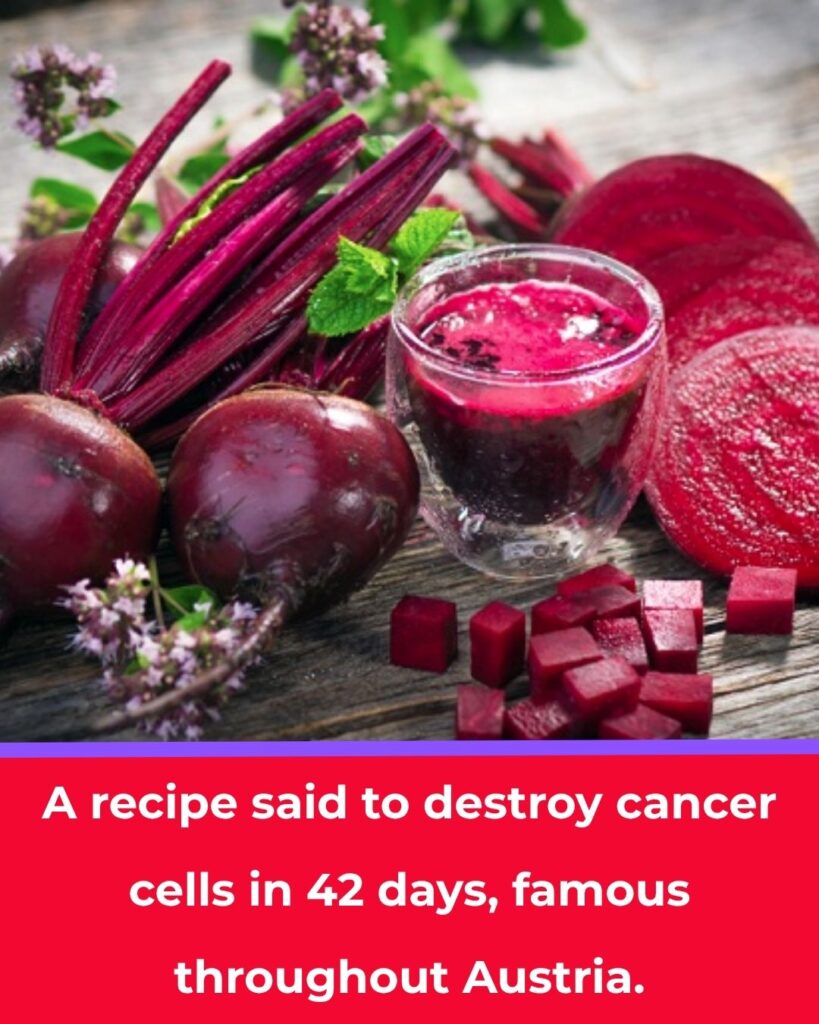
Claims that promote a food as a cure can be harmful. They may give false hope or encourage people to delay seeking proper medical treatment. Nutrition can support overall health, but it does not replace medical diagnosis, treatment, or therapy.
Responsible health information should never suggest abandoning professional care in favor of unproven remedies.
What Beetroot Can Realistically Do
Beetroot can be part of a balanced, supportive diet. Diets rich in vegetables, fruits, whole grains, and healthy fats are associated with better general health and may help the body cope better with illness and treatment side effects. However, this is very different from claiming a food can eliminate disease.
Think of beetroot as supportive nutrition, not a cure.
How to Use Beetroot Safely and Wisely
Beetroot can be enjoyed roasted, steamed, grated raw, or blended into juices with other vegetables. Pairing it with leafy greens, citrus, or ginger can make it both flavorful and nutritious. Moderation is key, as excessive consumption may cause digestive discomfort for some people.
As with any dietary change, individuals with health conditions should consult a healthcare professional.
The Takeaway
Beetroot is a nutritious, colorful vegetable with real health benefits—but it is not a cancer treatment. When reading bold claims online, it is essential to question the source, look for scientific consensus, and avoid conclusions that sound too good to be true.
Good nutrition supports health. Medical care treats disease. Both have their place—and confusing the two can be dangerous.
